

Editor’s Note
By Rutendo Mugabe
Welcome to Issue 6 of the ISLA Newsletter. In this edition, we reflect on the work taking place across ISLA and its networks, the challenges confronting feminist movements, and the different ways feminist legal advocacy continues to shape the pursuit of justice across Africa.
At the centre of this issue is a question that runs through much of our work: what does it take to protect rights when the legal and institutional frameworks intended to safeguard them are increasingly being challenged or weakened? From organised anti-rights movements and contested regional human rights standards to judgments concerning child marriage and migrant domestic workers, the contributions examine both the possibilities and limitations of the law in securing meaningful protection. We also turn our attention to the people and partnerships behind this work, reflecting on feminist solidarity, movement lawyering and the importance of strengthening institutions and sustaining networks that can respond collectively to emerging challenges.
As you read this issue, we invite you to reflect on what these experiences teach us about feminist legal practice, the gaps that remain between legal protections and lived realities, and the collective work needed to address them. We hope these contributions encourage continued engagement, collaboration and reflection on how we can defend rights while strengthening the movements that carry this work forward.


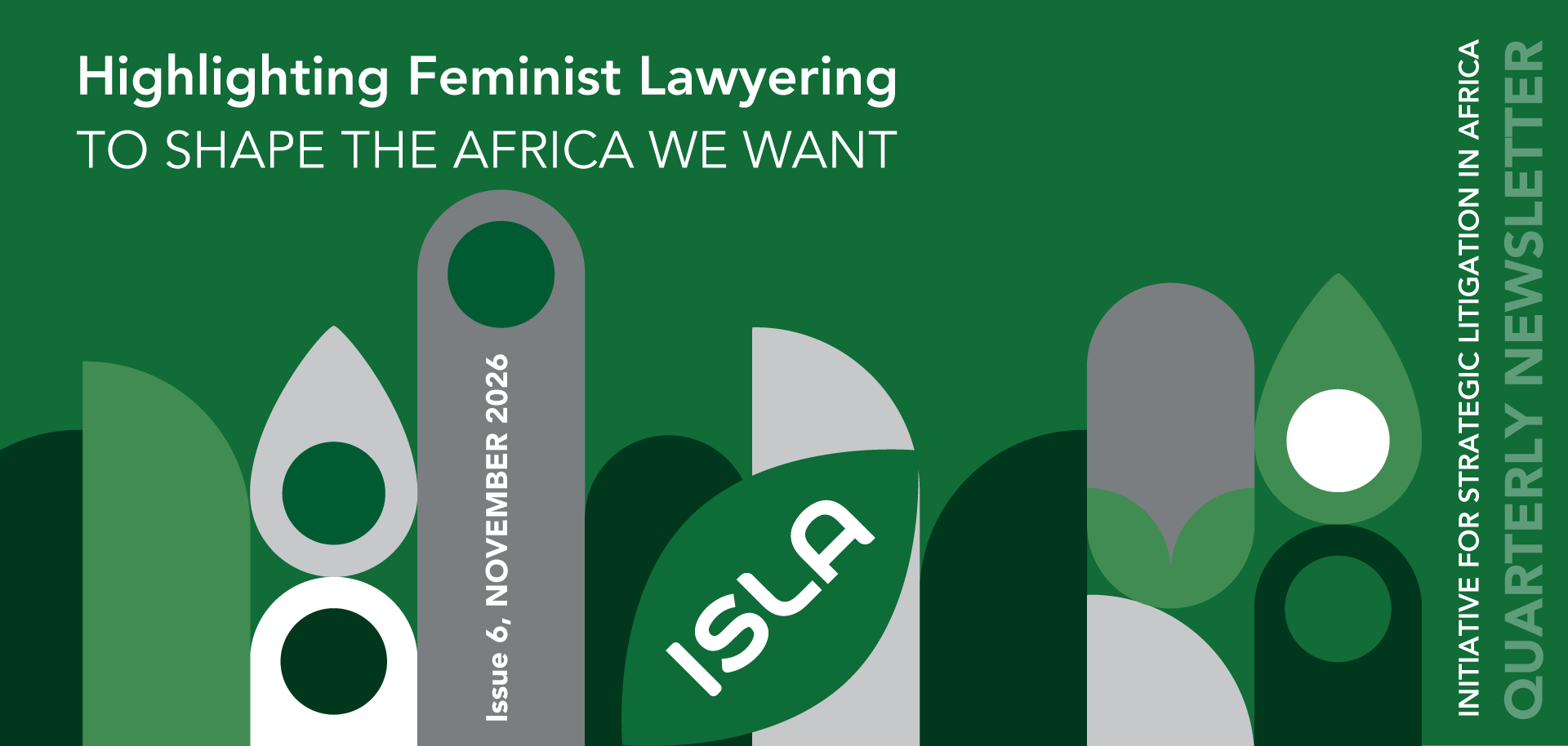
Nerima Were – Lawyer and Advocate of the High Court of Kenya:
The Person Behind the Work
Interview conducted by Rutendo Mugabe
1. To start us off, could you tell us a bit about yourself? Who is Nerima Were, both personally and professionally?
I am Nerima Were. The identities that are most permanent for me are feminist, Pan-Africanist and socialist, in that order. They shape the lawyer, teacher, advocate, leader, and mother I am because they influence how I understand the world and how I choose to engage with it.
Professionally, I am a lawyer and an Advocate of the High Court of Kenya. I studied law at the University of Pretoria, where I completed both my undergraduate and master’s degrees. I was fortunate to spend part of my early career working in South Africa, including at the Constitutional Court and the Land Claims Court. Those experiences gave me a deeper appreciation of how law operates in people’s lives.

From Cohorts to Community: What Does It Look Like for the FLN to Sustain a Feminist Community of Practice?
By Kay Mahonde-Chaterera
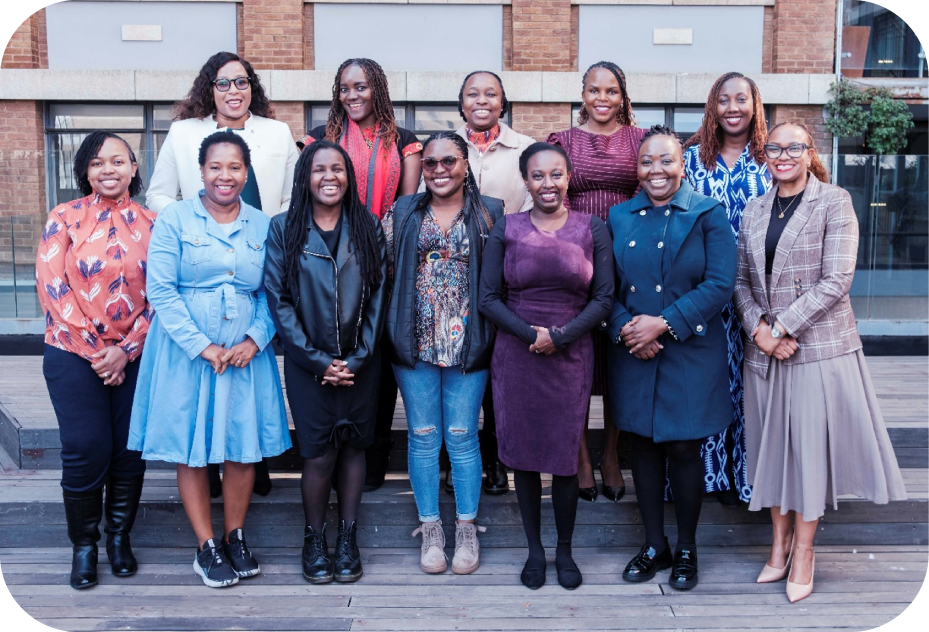
The Feminist Litigation Network (FLN) was established to build a pool of African feminist litigators able to use strategic litigation as a tool for social change. Today, that pool comprises 27 feminist lawyers from Kenya, Uganda, Sierra Leone, Malawi, Zambia and South Africa.
Defending our Gains: The CEVAWG Risks Regressing our Hard-Earned Wins
By Wabia Nganatha Karugu
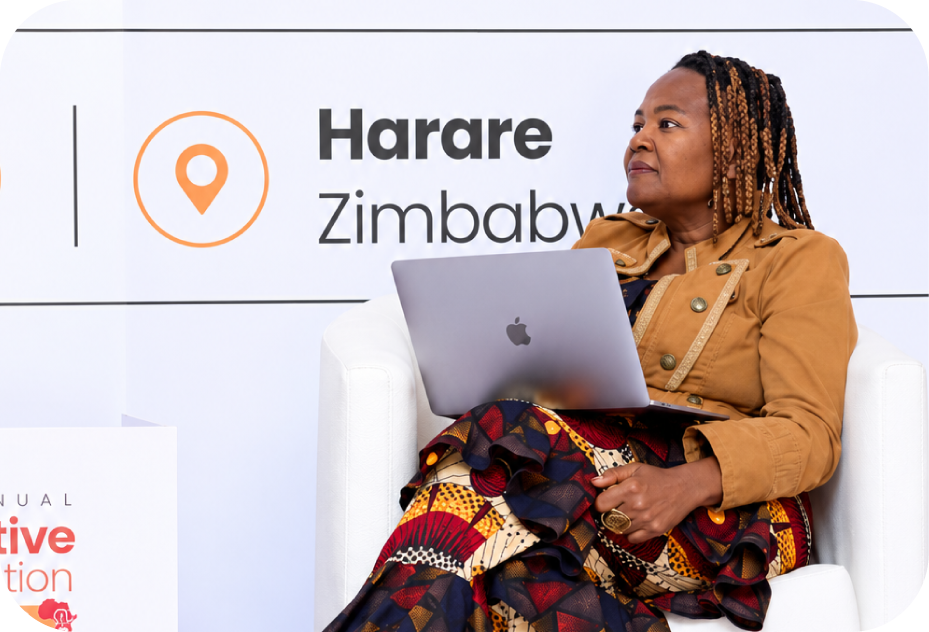
From 3-7 August 2026, ISLA, represented by Executive Director Sibongile Ndashe, attended Afya na Haki’s 4th Annual Reproductive Justice Litigation Baraza in Harare, Zimbabwe. On Tuesday 3 August 2026, Sibongile joined panellists Honourable Commissioner Janet Ramatoulie Sallah-Njie and Brenda Akia in reflecting on Dr Tlaleng Mofokeng’s keynote address.
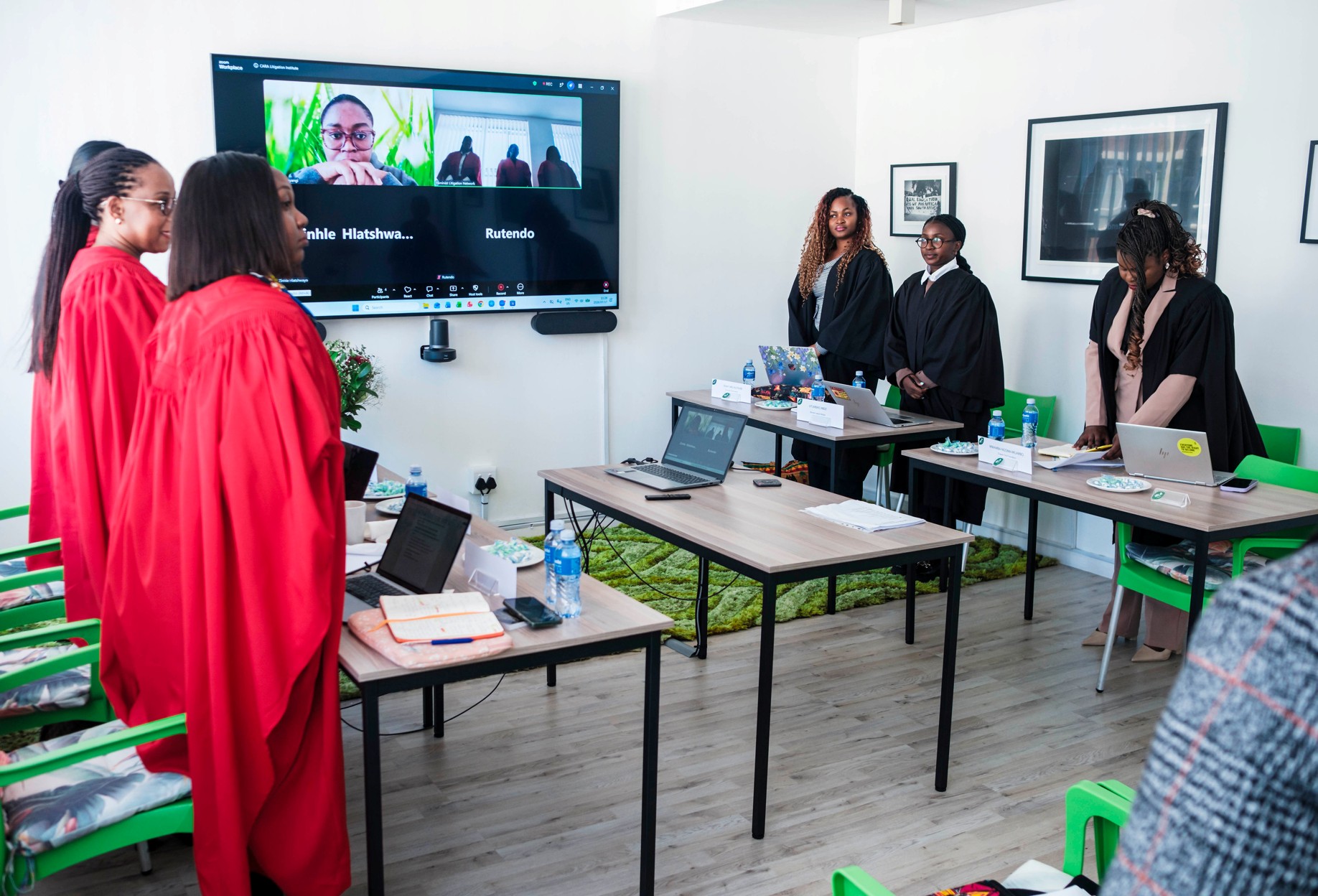
The Backlash Has Lawyers. So Do We. Inside ISLA’s inaugural CARA Litigation Institute
By Lakshita Kanhiya
Anti-rights actors have learned the language of rights. They invoke ‘family’, ‘freedom’, ‘culture’, ‘tradition’ and even human rights themselves while working to narrow the very protections those concepts should secure. The question for feminist litigators is therefore no longer simply whether law can be weaponised against rights.
Institutional Strengthening Visit to Ouagadougou, Burkina Faso
By Hari Tesfaye
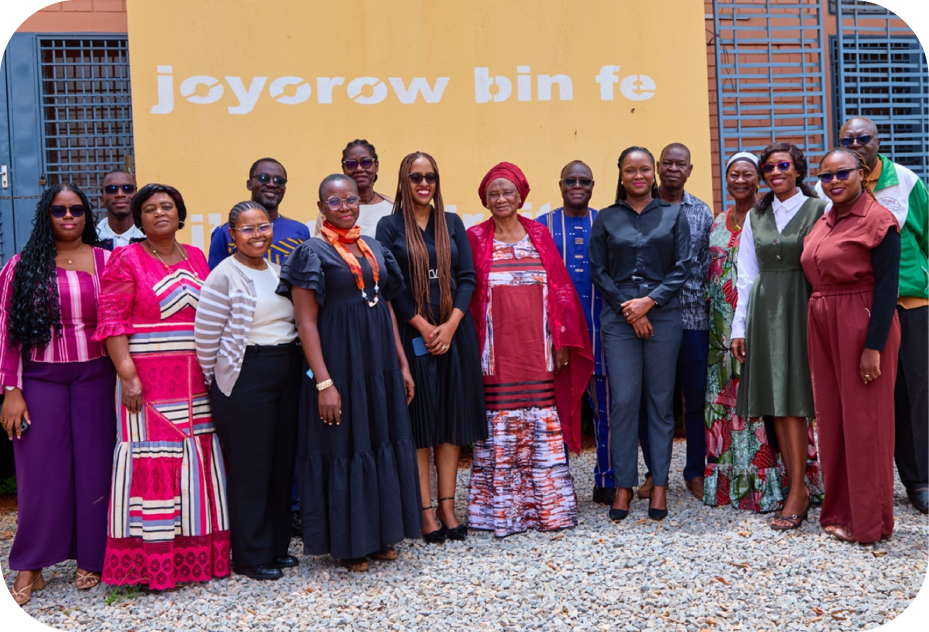
From 3 to 6 August 2026, the Initiative for Strategic Litigation in Africa (ISLA) undertook a four-day country visit to Voix des Femmes (VDF) in Ouagadougou, Burkina Faso, focused on Institutional Strengthening and case sourcing. VDF is ISLA’s Local Coordinating Partner (LCP) in Burkina Faso and the first LCP established under the Francophone West Africa (FWA) model.
When Rights Language Hides Regression
By Fatou Bintou Sallah
Across Africa, new human rights standards are being drafted, adopted and ratified. But a progressive title does not always guarantee a progressive norm. For ISLA, the question is not simply whether new instruments exist. It is whether they strengthen existing protections, respond to lived realities and leave women, girls and human rights defenders better protected than before.
Countering Anti-Rights Actors
By Domingas Sande
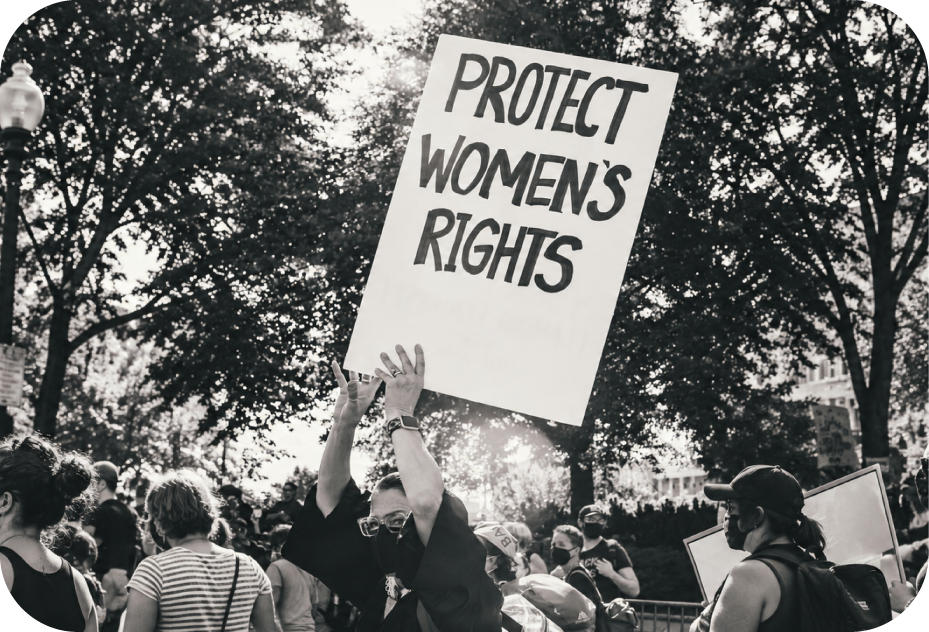
Learning from Poland: What Anti-Rights Mobilisation Means for Africa One of the most important lessons from Poland is that rights regression does not always present itself as opposition to human rights. Increasingly, it can also be advanced by claiming to defend them. This was at the heart of ISLA’s learning from Poland webinar, which brought together experiences from Poland and Africa to examine how anti-rights mobilisation operates through law, institutions and public discourse.


ECOWAS Court Recognises Violence Against Women as a Form of Discrimination
By Winfred Odali and Achieng Orero
In a landmark judgment with significant implications for the protection of women and girls from harmful practices, the ECOWAS Court of Justice has held the Republic of Sierra Leone internationally responsible for failing to take adequate measures to implement, enforce and put in place demonstrable measures to eliminate child marriage as a harmful practice in Sierra Leone.

When the Law Exists but the State Looks Away: A Kenyan Court Rules on the Rights of Migrant Domestic Workers
By Siphokazi Mlindazwe
Every year, tens of thousands of Kenyan women leave home in search of work. Many go to the Middle East, to Saudi Arabia, Kuwait, Iraq, and the UAE to work as domestic workers: cooking, cleaning, raising other people’s children. They go because jobs at home are scarce and wages abroad seem like a lifeline. What too many of them find instead is exploitation, abuse, and a government that has, for too long, simply not shown up


Countering Anti Rights Actors (CARA) Rights Under Attack Legal Analysis Series
From November 2026 to February 2027
The assault on human rights is not only happening in parliaments, pulpits, and political campaigns. It is being fought in courtrooms, through legal arguments deliberately engineered to strip women, girls, and marginalised communities of their rights. Across Africa and beyond, anti-rights actors are hijacking the language of human rights, manufacturing false hierarchies between so-called ‘real’ and fictitious’ rights, and weaponising constitutional protections to legitimise discrimination, entrench patriarchal power, and evade accountability.
When the Law Fails to See, Recognise and Protect: Litigating the Rights of domestic workers in Africa
19 November 2026
ISLA will also host “When the Law Fails to See, Recognise and Protect: Litigating the Rights Of Domestic Workers in Africa,” webinar bringing together feminist litigators, practitioners and academics to examine protection gaps, legal frameworks and strategic litigation opportunities concerning domestic workers.

ISLA holds its 2026 Annual Reflections in Johannesburg
May to October 2026
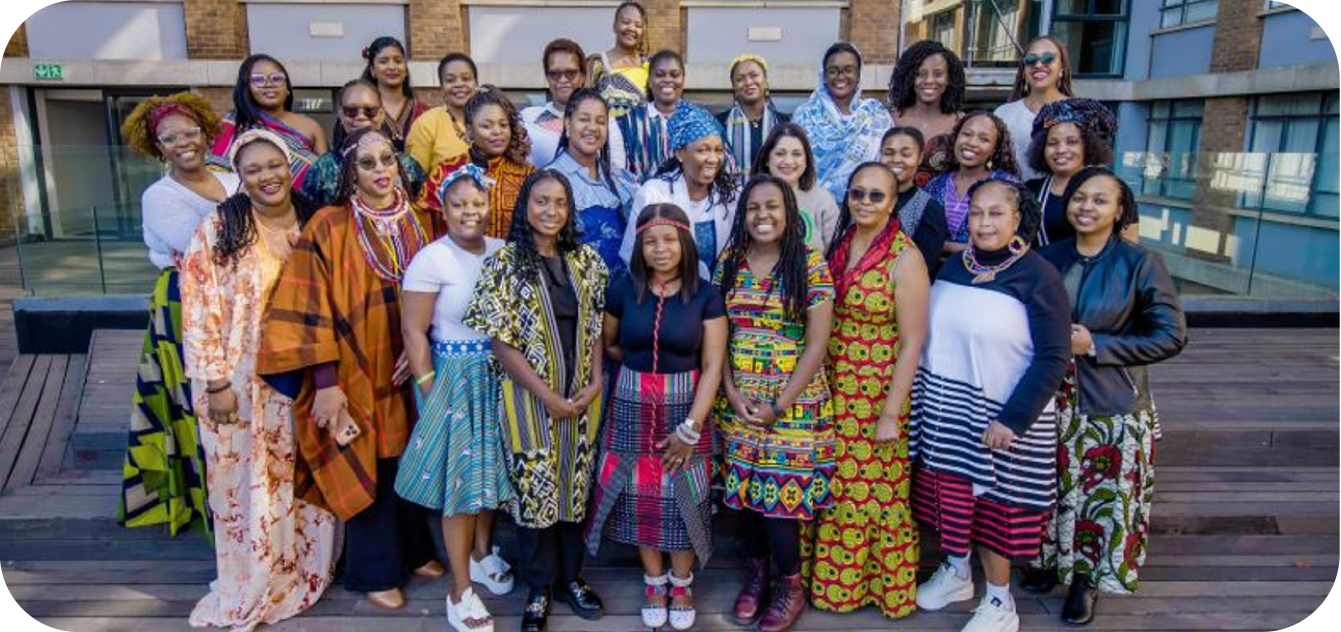
In July 2026, ISLA convened its Annual Reflections in Johannesburg, bringing together staff, Board members and Core Feminist Litigation Network lawyers to assess the organisation’s work over the preceding year.
Case Sourcing Webinar
On 20 May 2026, ISLA held a Case Sourcing Webinar for partners in Francophone West Africa. The session focused on identifying and assessing cases suitable for feminist strategic litigation, particularly those involving violence against women, sexual rights and women’s socio-economic rights.
Learning From Poland: Understanding the Actors Shaping Family Values Narratives in Africa
On 30 July 2026, ISLA hosted Learning from Poland: Understanding the Actors Shaping Family Values Narratives in Africa.
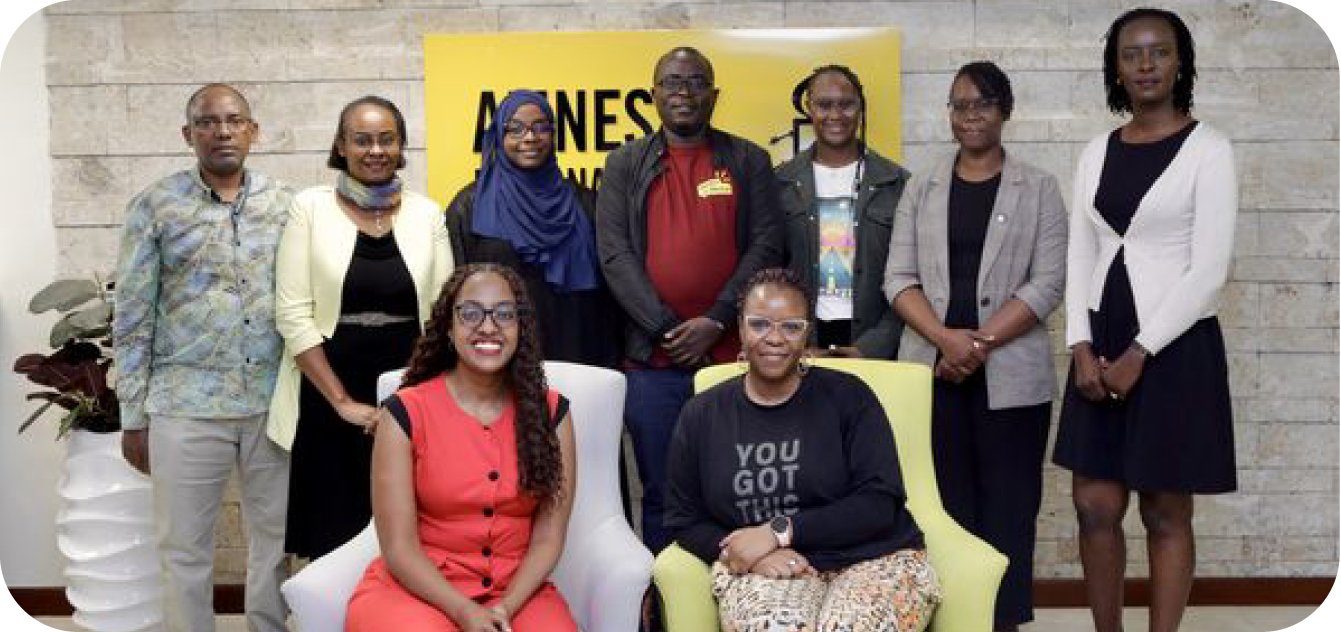
Institutional strengthening | Amnesty International Kenya
On 17 and 18 September 2026, ISLA and Amnesty International Kenya held a two-day institutional strengthening visit under the Feminist Litigation Network.
Civil Society Dialogue on the Draft ACHPR Declaration on Protecting Human Rights Defenders in Africa
On 25 September 2026, ISLA convened a virtual civil society dialogue on the Draft ACHPR Declaration on the Promotion of the Role of Human and Peoples’ Rights Defenders and their Protection in Africa
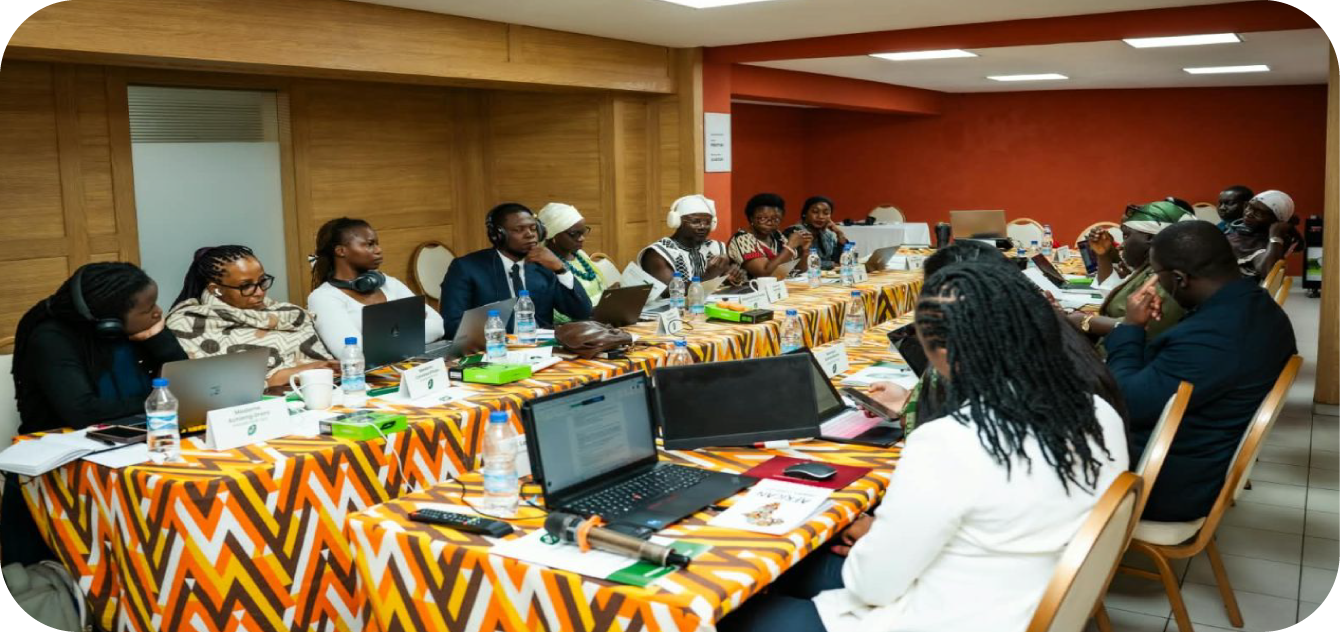
FLN-FWA Strategic Consultation in Abidjan
From 5 to 9 October 2026, ISLA convened the FLN-FWA Strategic Consultation in Abidjan, Côte d’Ivoire.
ACHPR 89th Ordinary Session | Dakar
ISLA participated in the 89th Ordinary Session of the African Commission on Human and Peoples’ Rights in Dakar, Senegal, with engagements focused on regional human rights standards, women’s and girls’ rights and access to the Commission.
Interviews

Advancing Economic Justice in Divorce: Constitutional Court Ruling on Pension Sharing
Sibongile Ndashe unpacks the Constitutional Court’s ruling declaring Section 7(7)(c) of South Africa’s Divorce Act unconstitutional, a significant step towards addressing discrimination against economically weaker spouses, particularly women. She explains how the ruling opens the door for spouses married out of community of property without accrual to claim a share of their spouse’s pension, provided they demonstrate their direct or indirect contributions and that denying them a share would be unjust. The judgment recognises both financial and non-financial contributions, including caregiving and maintaining the home, advancing a more equitable approach to divorce and economic justice.
Sibongile Ndashe On Gender-Based Violence and the Implementation of the Law
Following President Cyril Ramaphosa’s address on gender-based violence, Sibongile Ndashe discussed the gap between South Africa’s legal protections and the protection experienced by women and girls on Ukhozi FM. She stressed the importance of implementing existing laws and ensuring accountability.
Divorce, Pensions and Gender Equality: Challenging Discrimination in South African Law
Sibongile Ndashe discusses the challenge to South Africa’s Divorce Act, highlighting its discriminatory impact on economically weaker spouses, particularly women, and the unequal treatment of couples married out of community of property without accrual. She unpacks the constitutional implications of these exclusions and how the proposed General Family Laws Amendment Bill could address these injustices and strengthen economic equality in divorce law.
30 Years of Constitutional Democracy: Why South Africa’s Progressive Laws Have Failed GBV Survivors
In a discussion on gender-based violence (GBV), Sibongile Ndashe – while reflecting on 30 years of the implementation of the Constitution of South Africa – offers critical insights into why South Africa’s progressive laws and jurisprudence have not translated into effective protection and justice for GBV survivors.
ISLA Participates in Southern Africa Human Rights Convening
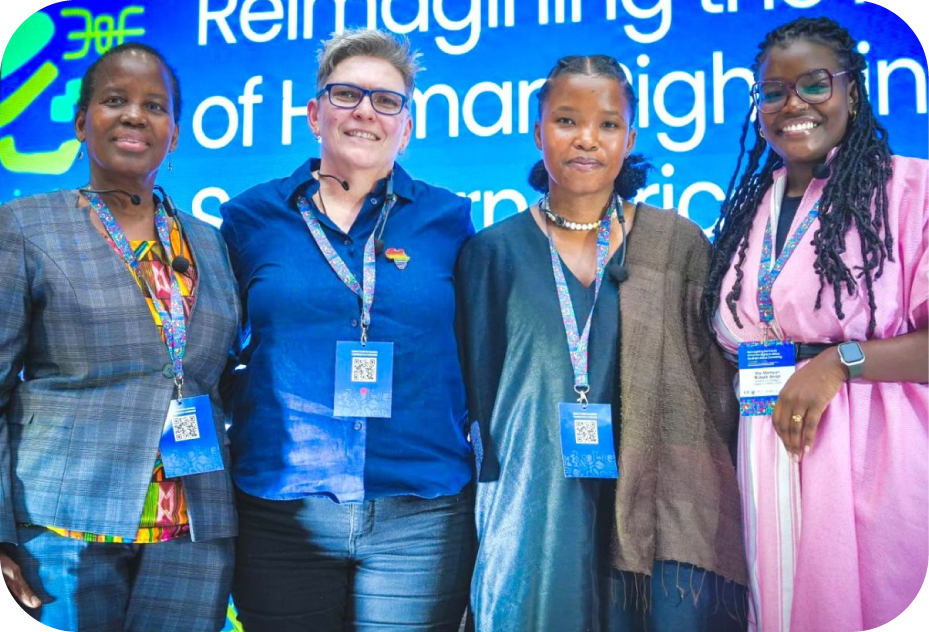
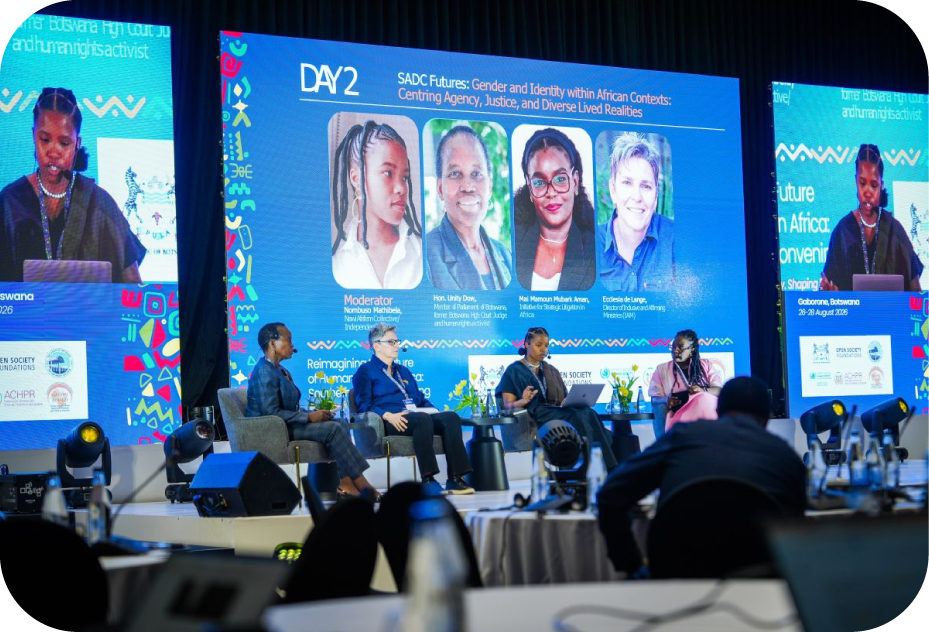
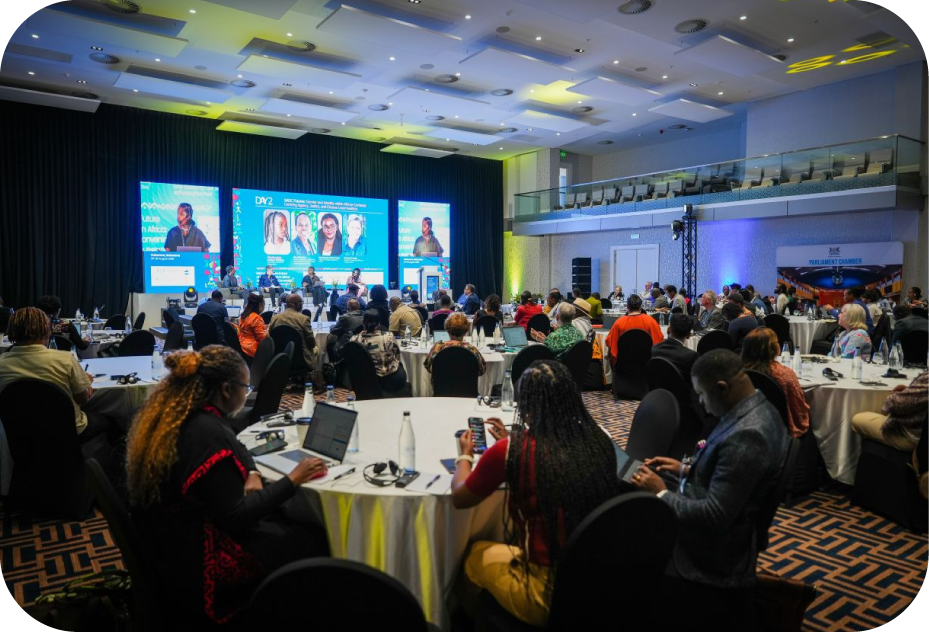
From 26 to 28 August 2026, ISLA’s Collaborations Manager, Mai Aman, participated in the Reimagining the Future of Human Rights in Africa: Southern Africa Convening in Gaborone, Botswana. Convened by Open Society-Africa and partners, the gathering brought together human rights actors to examine emerging threats to human rights protection, including the growing influence of anti-rights movements across the region.

ISLA And FIDA-Kenya Intervene in Constitutional Litigation Concerning FGM Survivors
ISLA and the Federation of Women Lawyers in Kenya (FIDA-Kenya) were admitted as joint amici curiae in a constitutional petition before the High Court in Narok concerning the treatment of survivors of female genital mutilation (FGM) within the criminal justice system.

ISLA Contributes to Feminist Discussion on Responses to Gender-Based Violence
On 11 August 2026, ISLA’s Violence Against Women Lawyer, Achieng Orero, was announced as a participant in a webinar organised by the Just Futures Collaborative examining feminist approaches to addressing gender-based violence.
30 Years of South Africa’s Constitution: Bridging the Gap Between Legal Protections and Justice for GBV Survivors
Reflecting on 30 years of South Africa’s Constitution, Kholekile Mnisi and Lebone Rodah Mosima explore Sibongile Ndashe’s analysis of the gap between the country’s progressive legal framework and the lived realities of survivors of gender-based violence.

Proposed African Charter on Family Sovereignty and Values Raises Concerns Over Women’s Rights and Human Rights Protections
Global health, legal and gender rights experts urge African governments to reject the proposed Draft African Charter on Family, Sovereignty and Values (the Draft African Charter), warning that it could undermine progress on gender equality, sexual and reproductive health rights, and broader human rights protections.

About Us
Founded in 2014, the Initiative for Strategic Litigation in Africa (ISLA) is a Pan-African and feminist initiative with a timely remit: to strengthen strategic human rights litigation across the African continent. Essentially, we aim to change the way that strategic litigation is used so as to enable broader access to justice and to support those who seek to hold states accountable for violations of women’s human rights and sexual rights.
Contact Details
Contact Number:
+27 11 338 9028
Fax: +27 11 338 9029
Address: 87 de Korte Street,
South Point Corner, 7th Floor Braamfontein, 2017 Gauteng, South Africa